


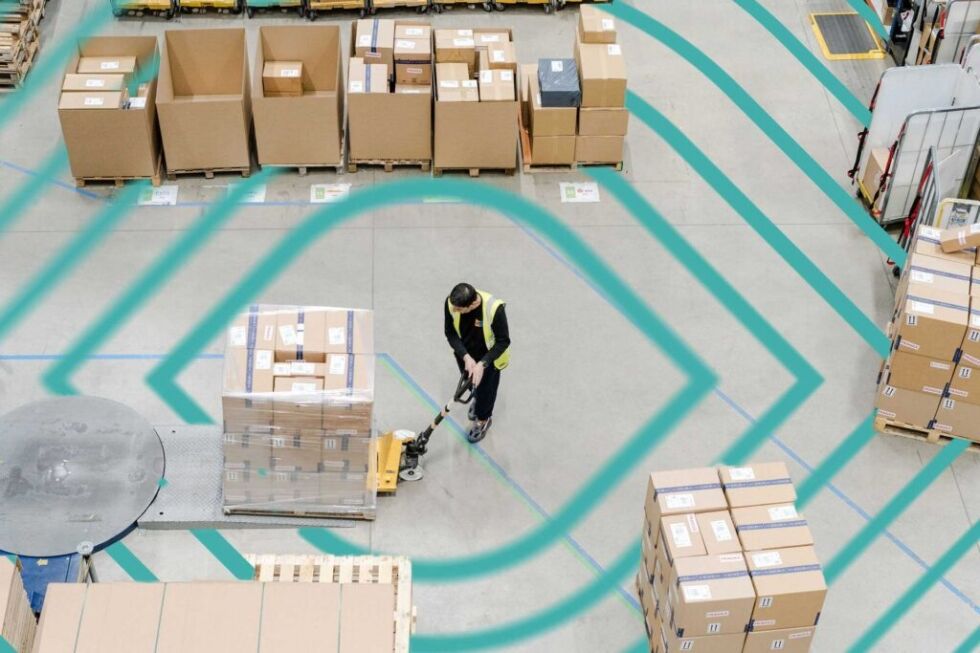
A 3PL’s cost is built around four core components: storage, pick and pack, packaging, and shipping, plus baseline costs like goods-in, labour, software, and client services, and optional extras like returns processing or kitting.
It’s priced against your order volume and product profile, not published as a flat rate. The cheapest quote is rarely the cheapest outcome once accuracy and despatch reliability are factored in.
What determines how much a 3PL costs?
A 3PL quote is shaped by your order volume, SKU count, product size and weight, destination mix, service speed, and any value-add requirements like kitting or custom packaging. No two businesses with different profiles will see the same number for what looks like the same service.
That’s why a published rate card rarely tells you much on its own. Two brands shipping the same volume of orders can end up with meaningfully different quotes if one ships heavier products, holds more SKUs, or needs next-day delivery as standard. The cost isn’t arbitrary; it’s a direct reflection of what your operation actually asks of the provider.
We don't operate on fixed pricing tiers; your quote is built around your actual order profile rather than forced into a package that doesn't fit it.

What makes up the cost of a 3PL?
A quote is generally built from four core components, plus a set of baseline costs and optional extras.
| Component | What it covers | Commonly charged as |
|---|---|---|
| Storage | Space your stock occupies | Per pallet, per cubic metre/foot, or per bin/shelf location |
| Pick and pack | Collecting, packing, and preparing each order | Per-order flat fee, per-item fee, or a hybrid |
| Packaging | Boxes, mailers, void fill, branded materials | Cost varies based on size and material |
| Shipping | The carrier charge | A rate card by weight and destination, plus relevant surcharges |
Baseline costs beyond the four:
- Goods-in, checking, counting, and booking stock on arrival.
- Labour rate, the cost of the people running each stage.
- Software or platform fee, monthly access to inventory and order visibility.
- Client services, account management and support.
Charges that apply only in specific circumstances:
- Peak season surcharges, typically Q4.
- Minimum monthly charges, a floor below a certain volume.
- Special handling fees, for non-standard size, weight, or fragility.
Optional extras, priced separately: returns processing, assembly, kitting, refurbishment.
Our guide to what a 3PL provider does covers how these sit inside the wider operation.
Why isn’t the cheapest 3PL quote always the cheapest outcome?
A low per-order rate is easy to compare on a spreadsheet. It’s much harder to compare what sits behind it, and that’s usually where the real cost difference shows up.
Pick and pack accuracy is the clearest example. A provider running at 97% accuracy sounds close enough to one running at 99.5%, until that gap is translated into actual wrong orders across your monthly volume. Despatch reliability works the same way. A provider shipping 90% of orders same-day looks similar to one shipping 98% same-day, right up until a customer’s order sits an extra day and the delivery promise made at checkout doesn’t hold.
Example: a brand shipping several thousand orders a month at 97% pick accuracy will see a meaningfully higher number of wrong orders each month than the same volume run at 99.5%. Every one of those becomes a return, a refund, a support ticket, and in a real share of cases, a customer who doesn’t come back. None of that appears on the fulfilment invoice, but all of it hits margin.
Most fulfilment operations look good at normal volume. The real test is Black Friday or a flash sale, when infrastructure limitations become painfully obvious.
Technology investment catches most growing brands off guard. They budget for warehouse space and shipping, but underestimate how quickly they’ll outgrow basic systems.
This is also where technology earns its cost. Live inventory and order visibility let you catch a problem before a customer does. A provider running on manual processes and end-of-day updates means you find out about a stockout or an error after it’s already affected someone’s order.
The number worth comparing isn’t the headline rate, it’s the total cost of fulfilment once accuracy, despatch reliability, and returns are factored in against a provider’s actual, demonstrable KPIs. Our page on the benefits of 3PL fulfilment services sets out the KPI benchmarks worth holding any provider to.
How do I compare 3PL quotes properly?
Quotes from different providers are rarely comparable at face value, since every provider itemises differently. A few checks make the comparison fair.
- Share the same order profile with every provider. Monthly volume, average items per order, product size and weight, destination mix, and any value-add requirements, so every quote is built against the same inputs.
- Ask for the KPIs behind the price. Same-day despatch rate, pick and pack accuracy, and platform uptime. A provider unwilling to share their own figures is telling you something about either performance or transparency.
- Confirm what’s fixed versus variable. Minimums, setup fees, and account-level charges can swing the real cost significantly at lower volumes.
- Check what’s bundled into the pick and pack fee. Some providers include returns handling, basic packaging, and reporting in the headline rate. Others charge each separately, so two quotes that look close on paper can differ substantially once every line item is counted.
- Ask for total cost per order at your current and projected volume. This shows how pricing actually scales, and whether a rate that looks attractive today will still look attractive as you grow.
If you’re weighing this against running fulfilment yourself rather than comparing 3PL logistics providers, our guide to 3PL vs in-house fulfilment walks through that decision in more depth. And once you’re ready to negotiate terms, what to look for in a 3PL contract covers the commercial detail worth getting in writing.
How do I get a 3PL quote based on my own order profile?
This guide covers how 3PL pricing is structured, not what any specific business will pay, since that depends entirely on your own volume, product profile, and service requirements.
See what’s included in a full-service 3PL to understand the full scope before you ask for a quote, or get in touch to discuss pricing based on your own order profile.
Common questions about 3PL pricing
Yes. Most 3PL pricing has room to move, particularly on committed volume, contract length, and value-add services, though the core rate structure (storage, pick and pack, packaging, shipping) tends to stay consistent across the negotiation.
It depends on the provider. Some pass carrier rates through at cost, others build in a margin. Ask directly whether the shipping line on your quote reflects the provider’s negotiated carrier rate or includes an additional markup on top.
Usually, and typically in your favour. Per-order rates tend to improve as volume increases, since fixed operational costs are spread across more orders and providers can negotiate better carrier rates on your behalf.
Most 3PL pricing is variable by design, since your total cost should scale with activity rather than sit as a flat fee regardless of volume. A fixed monthly rate can work at very stable volumes, but it removes the natural cost efficiency that comes from paying only for what you use.
